Specter

Designation

ST-1 / ST-1N

Type

Long-Endurance ISR UAS

Mission

ISR · SIGINT · Strike

Status

Concept Design

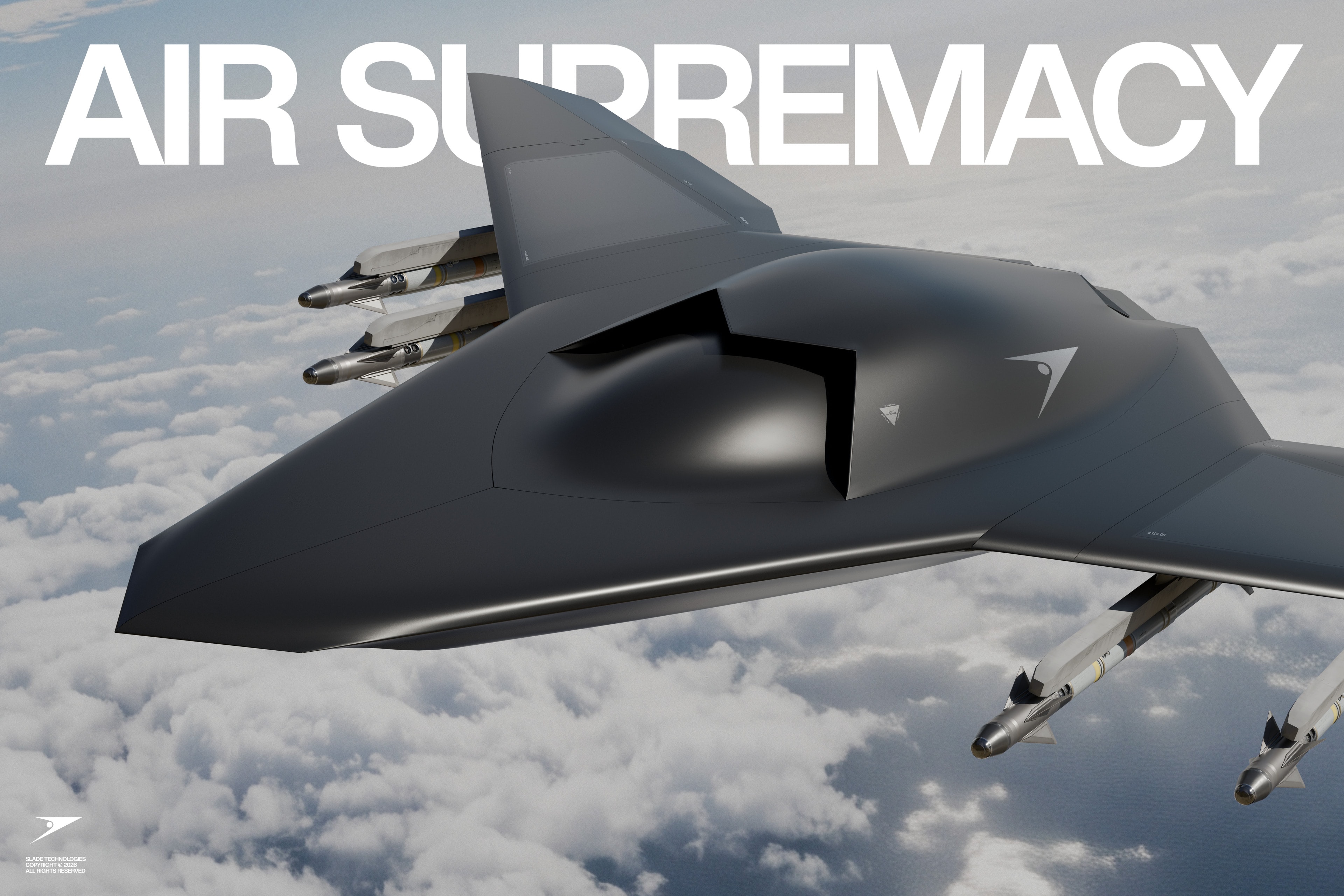
ST-1 Specter in flight

One Airframe. Two Missions.

Ground / Austere Operations

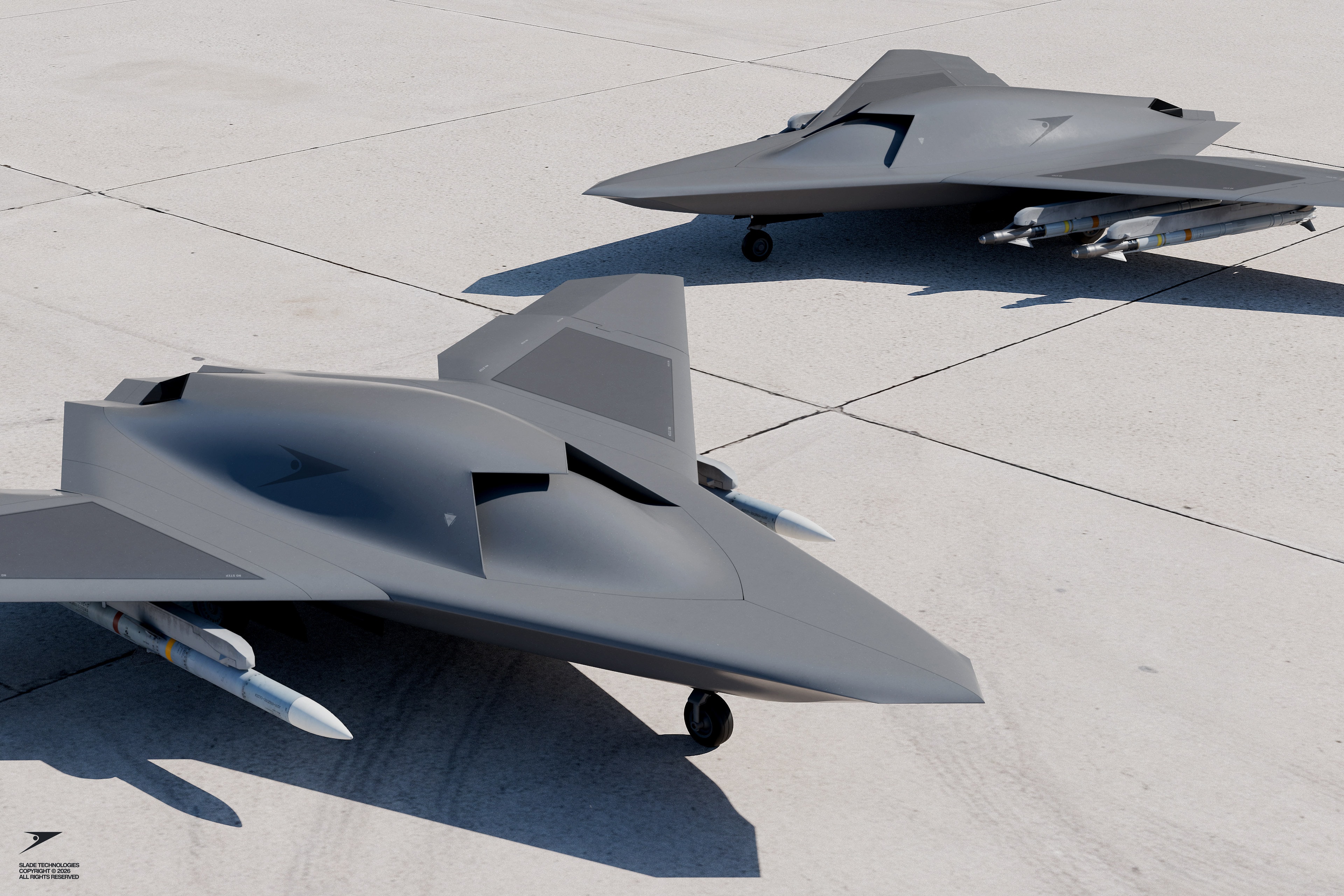
ST-1

Specter
ST-1
ConfigurationTailless BWB
MissionISR · SIGINT · Strike
Launch PlatformShort-Field Austere Strip
BasingTruck-Transportable
Customer ProfileSOCOM · Army · Air Force

Maritime / Ship Operations

ST-1N

Specter Naval
ST-1N
ConfigurationTailless BWB (Naval)
MissionMaritime ISR · SIGINT
Launch PlatformLHD / LHA Deck
BasingShip-Compatible
Customer ProfileNavy · USMC
ST-1N carrier approach

Anywhere, Anytime.

From open ocean to contested airspace, the ST-1N brings persistent, low-observable ISR to any theater, any time.

ST-1N on carrier deck

01 / 03

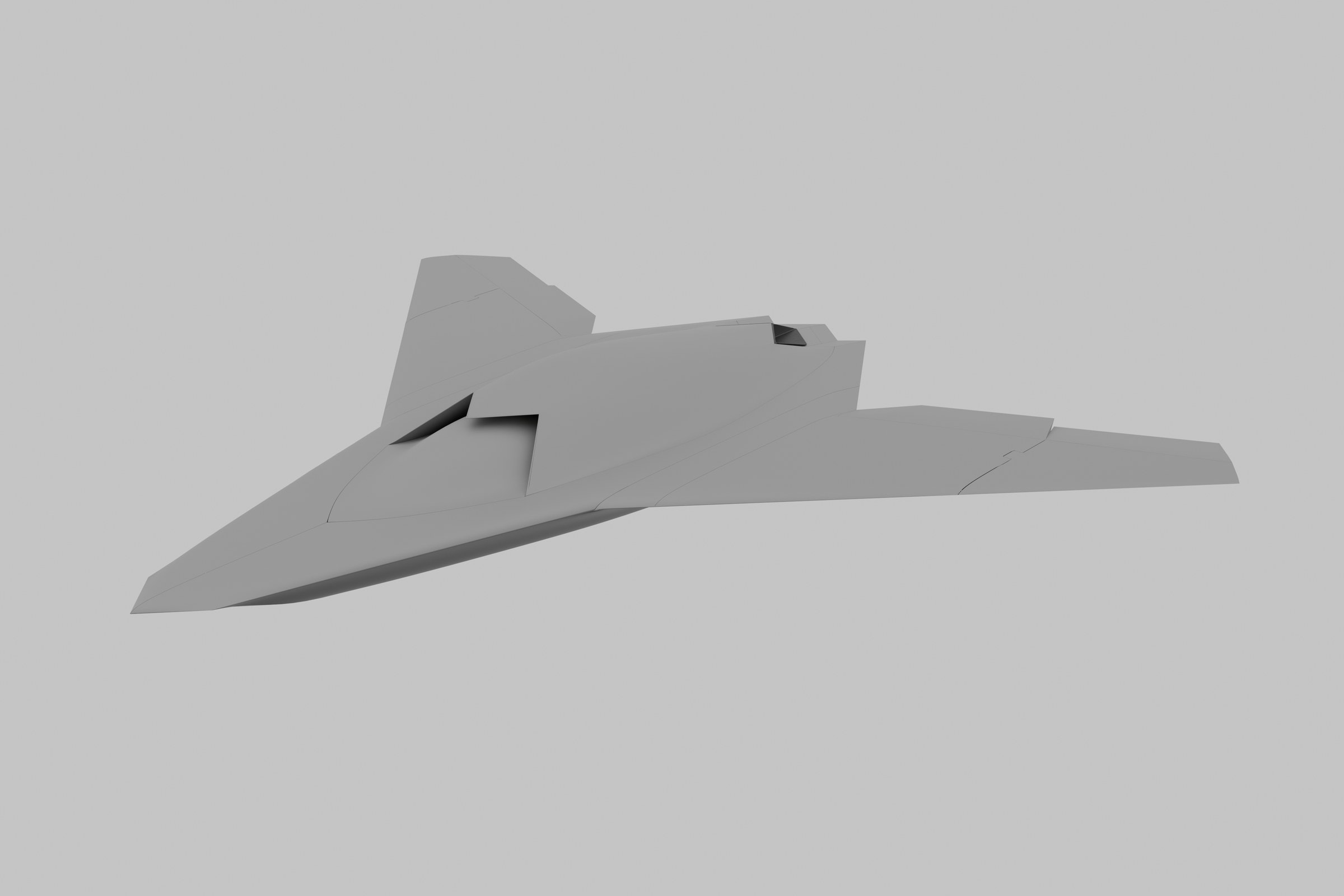
Blended-Wing Lift

The entire airframe generates lift. Eliminating the fuselage removes parasitic drag and structural dead weight — meaningful aerodynamic efficiency gains over equivalent tube-and-wing configurations. More time on station without growing the platform.

Blended-Wing Lift

Why This Airframe

Blended-Wing-Body

Eliminating the conventional fuselage removes parasitic drag and structural dead weight. The entire airframe generates lift — improving endurance without increasing platform size. Meaningful aerodynamic efficiency gains over equivalent tube-and-wing configurations, translating directly to fuel fraction and time on station.

Low Observability

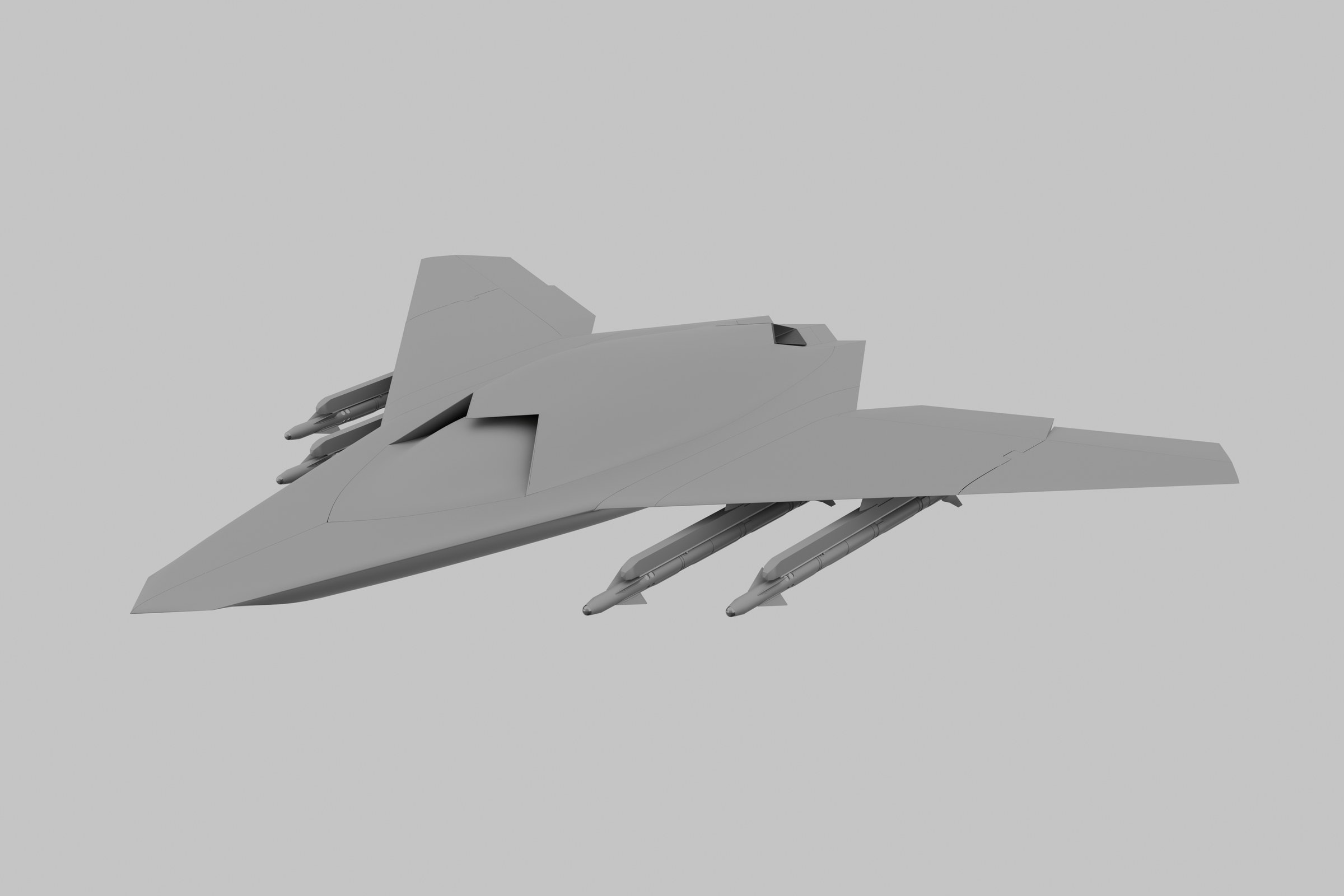
Planform alignment, continuous leading edges, LO-shaped inlet and exhaust geometry, and CF composite construction minimize radar cross-section. No vertical tail surfaces. No external stores. Altitude handles the rest.

CF Composite Structure

Carbon fiber composite construction reduces structural weight while increasing stiffness. Domestic fabrication, no foreign supply chain dependency. Enables the fuel fraction needed for extended loitering endurance without growing the airframe.

Loitering Endurance

Extended high-altitude endurance. Powered by the Pratt & Whitney PW500-series turbofan on JP-8, selected for its favorable bypass ratio and proven reliability at altitude. Performance specifications available under NDA.

SIGINT Architecture

Internal payload bay sized for mission systems with dedicated power allocation. Accommodates wideband receivers, direction-finding arrays, and datalinks. BWB internal volume enables conformal antenna apertures.

Multi-Platform Basing

Wingtip fold enables rapid truck transport and ship stowage. ST-1 operates from short austere strips — low wing loading inherent to the BWB planform reduces approach speed without arresting gear. ST-1N is a structurally distinct naval variant with a dedicated tail hook load path, reinforced landing gear attachments, corrosion-resistant coatings, and deck tie-down provisions for LHD/LHA operations.

Get Involved

Interested in ST-1?

Open to conversations with defense partners, investors, and engineers who see the same opportunity.

Full specifications and technical detail available under NDA — request a brief via contact.

© 2026 Slade Technologies LLC